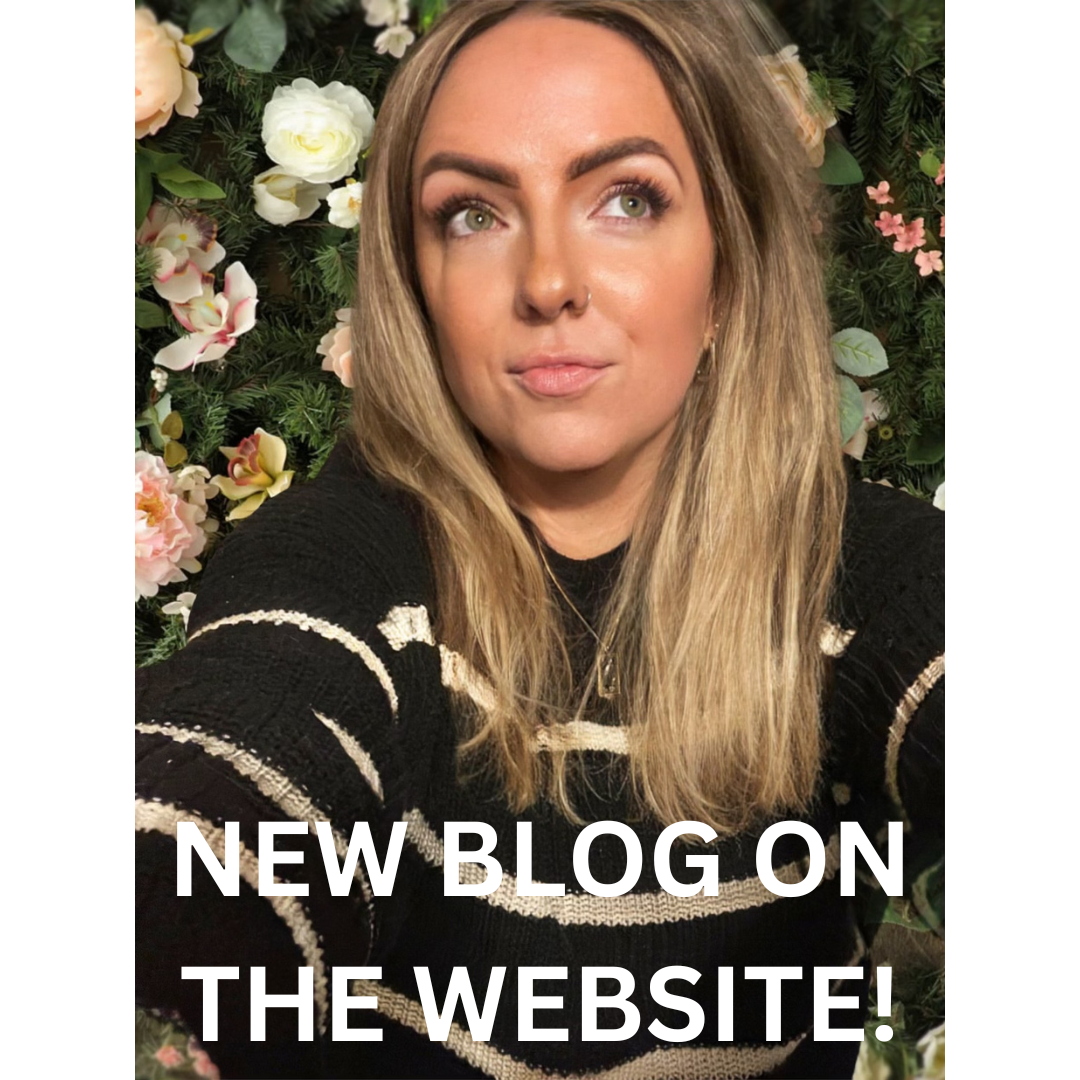
About Camille
How I Got Here
Understanding Human Systems
Throughout my career, I have found myself returning to the same question:
What enables people, relationships, communities, and organizations to navigate complexity without losing their humanity?
That question has taken me into government, public service, emergency management, facilitation, research, leadership, trauma-informed practice, and embodied inquiry. At first glance, these experiences may seem unrelated. To me, they have always been different ways of exploring the same landscape.
Whether working with individuals navigating profound life transitions, facilitating complex conversations across municipalities, supporting organizational learning, or researching the forces that shape human behaviour, I have become increasingly interested in the relationships between people and the systems they inhabit.
Most human challenges cannot be fully understood through a single lens.
They emerge through the interaction of biology, relationships, culture, organizations, history, and the environments we create together.
Understanding those interactions opens new possibilities for how we live, lead, connect, and respond to change.
The Path That Brought Me Here
My professional journey has been intentionally interdisciplinary.
I have worked within the federal justice system as a paralegal, contributed to provincial politics, led corporate responsibility initiatives, facilitated learning and technical assessment processes across Alberta, and supported organizations and communities navigating risk, uncertainty, and change.
Alongside my professional work, I completed both an undergraduate degree in Governance, Law, and Management and a Master of Arts in Interdisciplinary Studies while raising children and rebuilding through significant personal adversity.
Those experiences did not simply teach me resilience.
They taught me that resilience is not the absence of struggle. It is the capacity to remain connected to ourselves, our values, and one another while responding to life's inevitable uncertainty.
Scholarship in Practice
My graduate research examined fear as more than an individual emotion.
Using an interdisciplinary approach, I explored fear as a biological, psychological, relational, cultural, and structural force that shapes behaviour, relationships, institutions, and systems of power.
That research fundamentally changed how I understand human experience.
Today, the same questions continue to guide my work.
How do people reclaim agency after experiences that diminished it?
How do relationships influence identity, belonging, and wellbeing?
What conditions allow individuals, communities, and organizations to become more adaptive without sacrificing their humanity?
How do fear, uncertainty, and complexity shape the decisions we make?
What helps people remain connected to themselves and one another during periods of change?
These questions continue to shape my writing, facilitation, research, and practice.
My Approach
I do not believe meaningful change begins with quick fixes or universal answers.
It begins with understanding.
Understanding ourselves.
Understanding one another.
Understanding the relationships, assumptions, histories, and systems that shape how we think, respond, collaborate, and lead.
My work integrates interdisciplinary scholarship, systems thinking, facilitation, trauma-informed practice, somatics, embodied inquiry, and lived experience to help individuals, teams, and organizations make sense of complexity with greater clarity and intention.
Rather than offering prescriptions, I create spaces for inquiry.
Rather than positioning myself as an authority with answers, I seek to ask better questions.
Questions that expand perspective.
Questions that deepen capacity.
Questions that create new possibilities for action.
Education and Professional Foundations
Academic Background
Master of Arts in Interdisciplinary Studies (Equity Studies), Athabasca University
Bachelor of Professional Arts in Governance, Law, and Management, Athabasca University
Certification in Inclusion and Leadership, Centennial College
Risk and Change Management through U of C (In progress).
Professional Training
My work is informed by extensive training in trauma-informed practice, somatics, nervous system regulation, coaching, facilitation, resilience, and organizational learning, including:
Compassionate Inquiry Professional Training Program (330 hours)
Somatic Stress Release™ Practitioner
Integrated Somatic Trauma Therapy
Somatic Attachment Therapy
Embodied Conflict Resolution
Mind Body Coach
Certified Life and Wellness Coach
Resilience Toolkit Facilitator
These disciplines inform my work, but no single framework defines it. I draw from multiple perspectives while remaining grounded in evidence, critical inquiry, and respect for lived experience.
Looking Forward
I see my work as part of an ongoing exploration into what helps people and systems flourish.
As our world becomes increasingly interconnected and complex, I believe we need approaches that move beyond either individual or systemic explanations alone. We need ways of thinking that recognize the constant interaction between people, relationships, organizations, communities, and the broader systems that shape our lives.
My hope is to contribute to that conversation through writing, facilitation, research, and collaboration.
Above all, I hope my work helps people navigate complexity with greater clarity, strengthen the relationships that matter most, and create conditions where individuals, communities, and organizations can thrive with integrity, courage, and care.